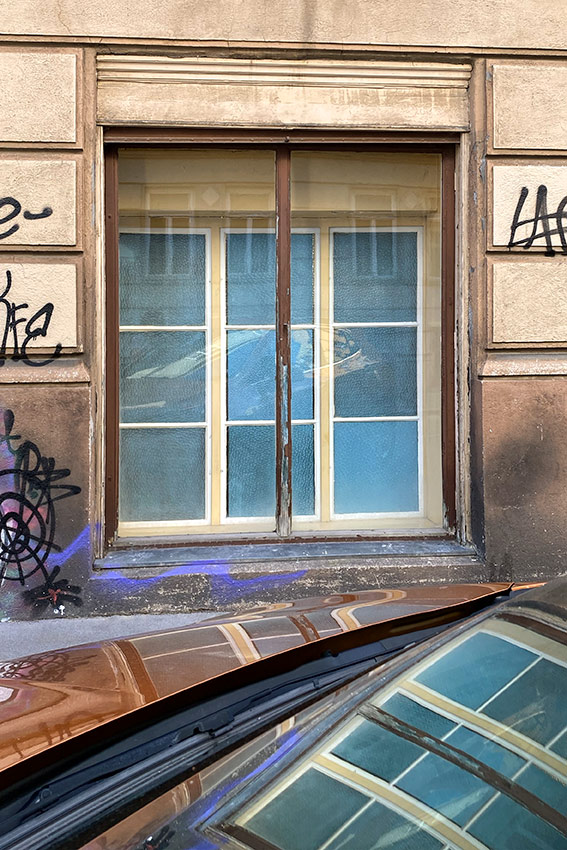
ZOOM
Sophie Pölzl
06.10.–12.10.2025
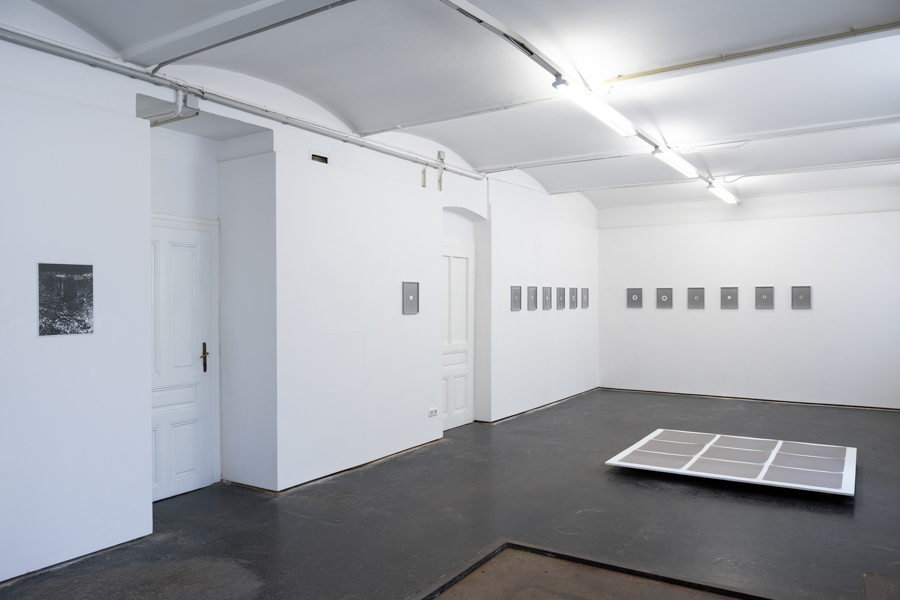
Installation view
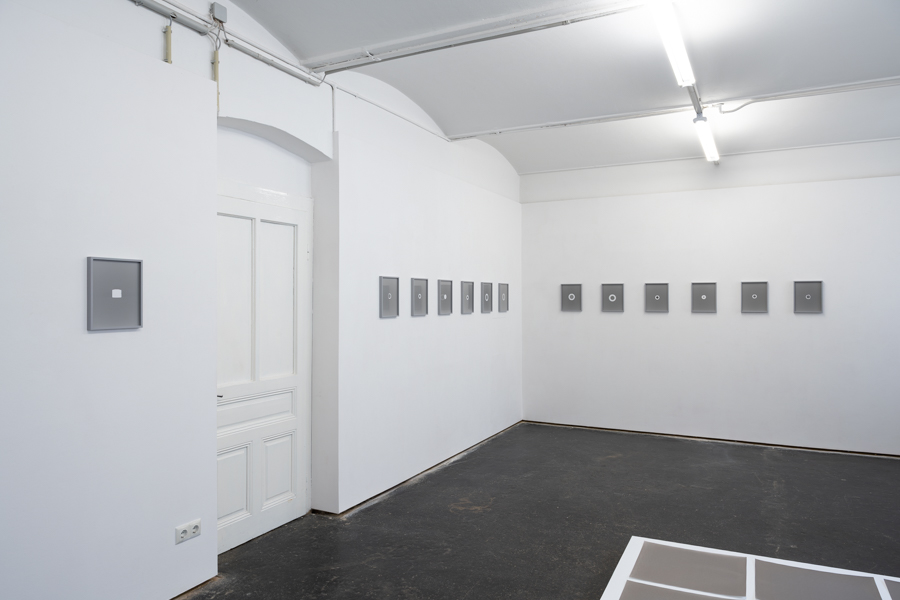
Installation view
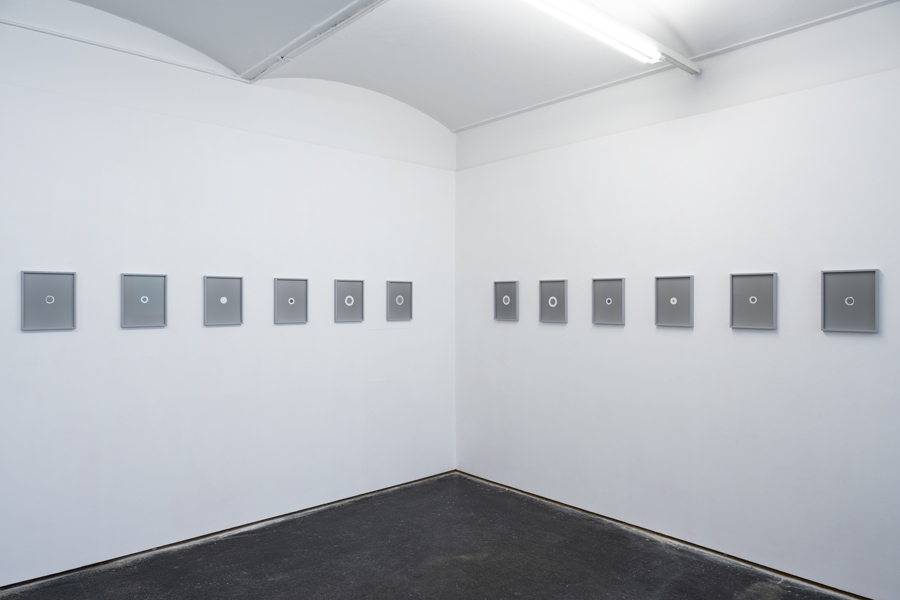
AF-S Nikkor 24-70mm f/2.8G ED, 2025, 12 photograms on Ilford MGRC Satin, each 31,4 x 25 x 2,5 cm, framed
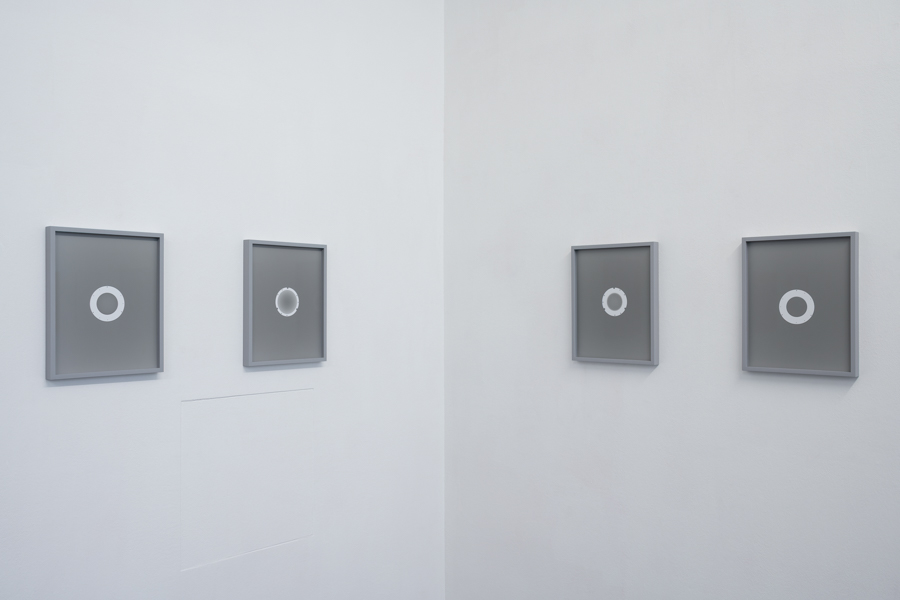
AF-S Nikkor 24-70mm f/2.8G ED, 2025, 12 photograms on Ilford MGRC Satin, each 31,4 x 25 x 2,5 cm framed, detail
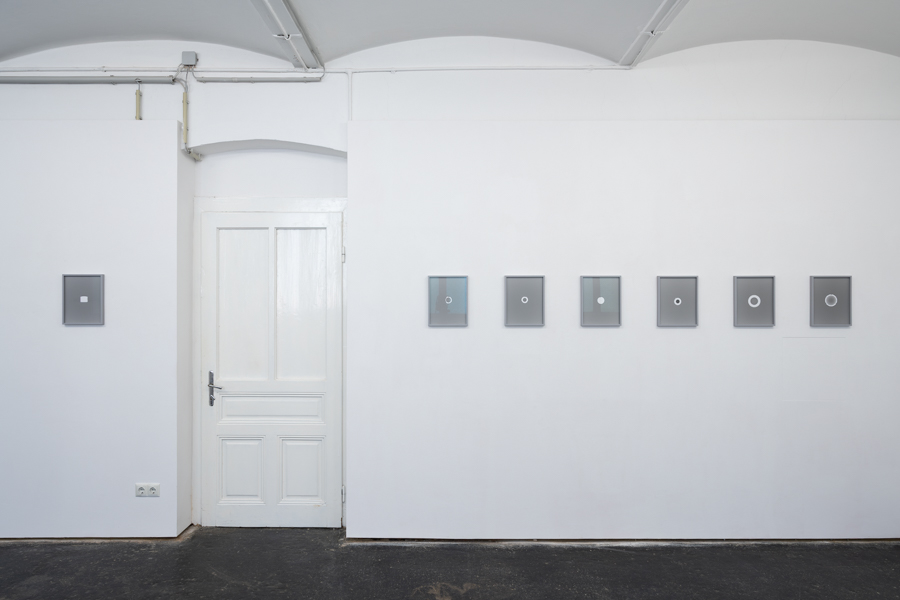
AF-S Nikkor 24-70mm f/2.8G ED, 2025, 12 photograms on Ilford MGRC Satin, each 31,4 x 25 x 2,5 cm, framed, detail
Lighthouse, 2025, photogram on Ilford MGRC Satin, 31,4 x 25 x 2,5 cm, framed
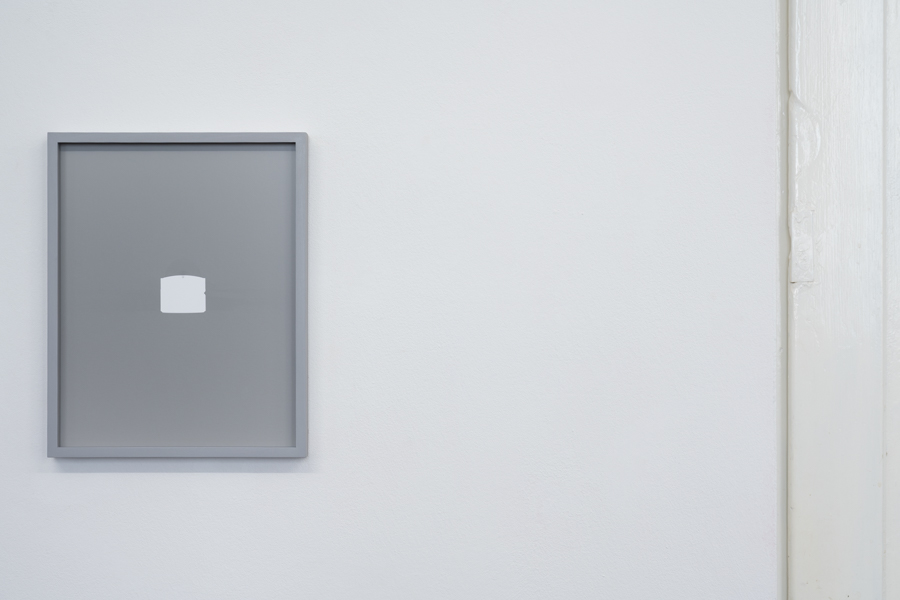
Lighthouse, 2025, photogram on Ilford MGRC Satin, 31,4 x 25 x 2,5 cm framed
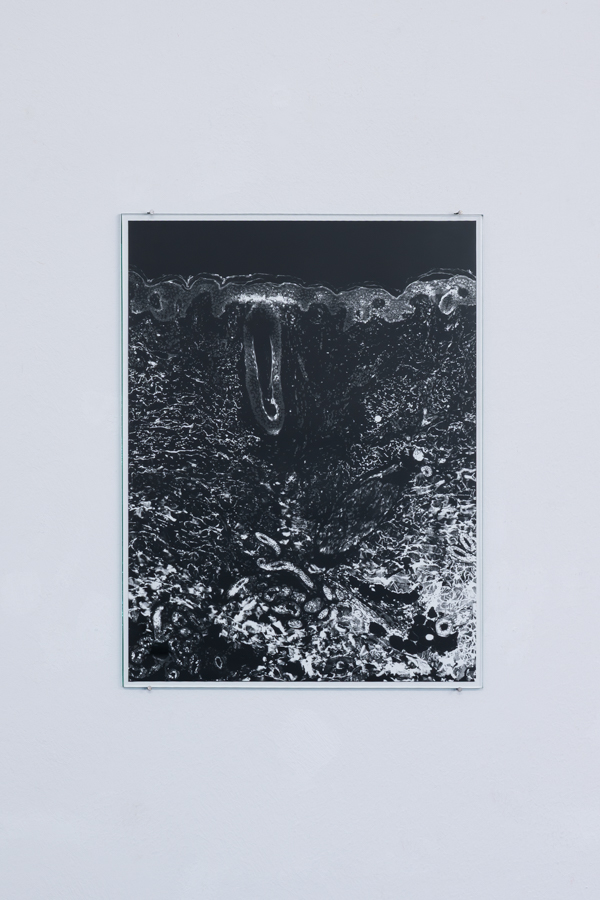
HC10_14-Region 012-20x, 2025, photogram on Ilford MGRC Satin, 40 x 30 cm glass, 41 x 31 x 0,3 cm, edition: 10 + 2 AP
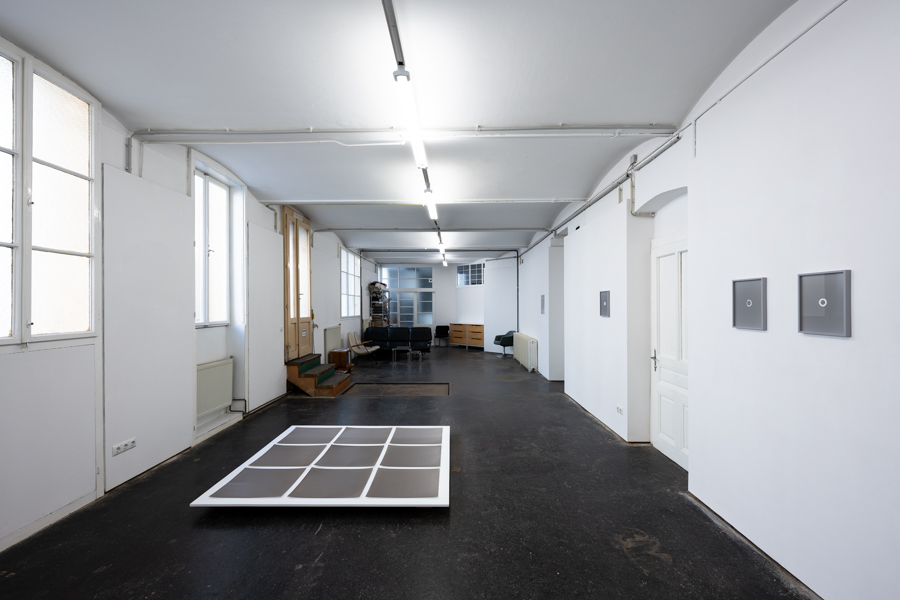
Clubclub Struktur – 25.08.-08.09.2025, 2025, 9 photograms on Fomaspeed Variant 312
each 53,5 x 50 cm, 2 MDF boards, painted white, 184,5 x 174 x 1,6 cm
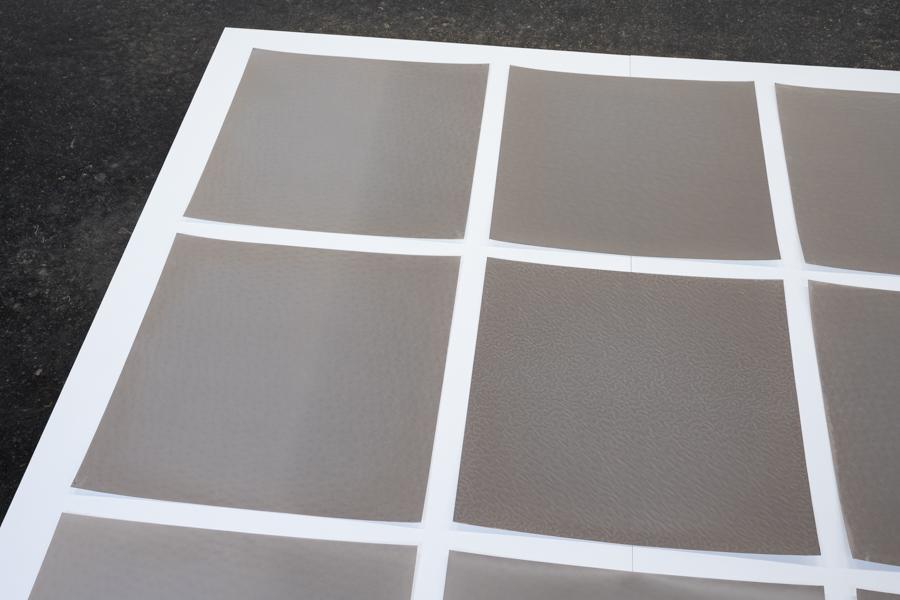
Clubclub Struktur – 25.08.-08.09.2025, 2025, 9 photograms on Fomaspeed Variant 312
each 53,5 x 50 cm, 2 MDF boards, painted white, 184,5 x 174 x 1,6 cm, detail
Photocredits: Sophie Pölzl
Sophie Pölzl
zoom
In her exhibition zoom Sophie Pölzl uses various photographic techniques both inside and outside of the darkroom to examine how and through which means we view the world. Does everything we store in our individual or collective archives pass through a lens? Through these questions, the artist positions herself within the canon of a long artistic-theoretical debate about the photographic medium and its effects on society and the individual. Sophie Pölzl‘s calm and subtle photographic series of a zoom lens, a window, and a piece of skin encourage us to read photography beyond what we see — reflect upon what is hidden in an extended field of possible interpretations.
When entering the exhibition space, we encounter a site-specific work titled Clubclub Struktur – 25.08.- 08.09.2025. Nine beige-gray-reddish photograms with floral and wavy patterns can be seen on the floating wooden panel. The deceptively similar replica of the lattice window lying on the floor refers to the process of their creation. For two weeks, the artist exposed the photographic paper taped to the windows directly to sunlight. The quietness of the images references the frequencies of everyday life — the window as a threshold between inside and outside, between private and public view. The noise of the immortalized impressions reflects an index of light traces and absence.
On the opposite walls, AF-S Nikkor 24-70mm f/2.8G ED forms the second group of works in the exhibition. Twelve white-gray photograms show all the lens groups of a zoom lens dismantled into its individual parts from both sides. The instrument emerges as a mediator, actor, and subject that determines both technical and social vision. The directions of view from photographer to subject and from subject to photographer become the epitome of the charged, power-structured act of seeing known as the gaze. Softly audible are the stories stored over time within the glass and metal parts about gaze, precision, consumption, memory, and power — a vibrant archive of visual culture.
Finally, we come across a single black-and-white photogram titled HC10_14-Region 012-20x. Here, the artist combines digital and analog photographic moments as well as methods of appropriation art to create a hybrid. In Photoshop, she takes a section from a microscopic immunofluorescence image of a punched-out piece of skin — provided by the University Clinic for Dermatology in Vienna. Then she creates a negative from it and prints it on clear film using a UV printing method to then — in the darkroom — use it to expose the image directly onto black-and-white photographic paper. The original from the University Clinic also underwent a darkroom-like process. The researcher and dermatologist Johanna Strobl makes the skin sample glow in the dark with fluorescent dyes and photographs it under a microscope at 20x magnification.
At first glance, it is difficult for medical laymen to recognize what is shown in this image — perhaps an underground mycelium world? No, the image shows a cross-section of the largest human organ — the skin with skin surface, a hair follicle, an arrector pili muscle, blood vessels, cell nuclei, immune cells, collagen fibers, sweat glands, and fatty tissue. What we hear is the quiet echo of the body, of vulnerability, but also of the scientific apparatus that makes it visible. Not only is the scientific evidence part of the image, but also the emotions, memories, and power relations that are palpable in the medical image (doctor, patient, illness, technology, hope, etc.).
Sophie Pölzl creates images that tell us about our ways of seeing — through lenses, through cultural codes, but also through the invisible memories and traces inscribed in images.
Sira-Zoé Schmid